buy tickets






18th - 26th July, 2026
Desi Cultures
Desi Cultures
Fermentation, from India
for everyone curious about fermentation
Desi Cultures brings together fermentation practices rooted in the Indian subcontinent and connected global conversations. From everyday ferments to emerging research, this is a space to share, question, and learn—across disciplines and geographies.
buy tickets
for everyone curious about fermentation
Desi Cultures brings together fermentation practices rooted in the Indian subcontinent and connected global conversations. From everyday ferments to emerging research, this is a space to share, question, and learn—across disciplines and geographies.
Desi Cultures brings together fermentation practices rooted in the Indian subcontinent and connected global conversations. From everyday ferments to emerging research, this is a space to share, question, and learn—across disciplines and geographies.
buy tickets
for everyone curious about fermentation
Desi Cultures brings together fermentation practices rooted in the Indian subcontinent and connected global conversations. From everyday ferments to emerging research, this is a space to share, question, and learn—across disciplines and geographies.
Agenda
Online
Offline
20th July; 5 PM IST
Opening Keynote: Fermentation as Practice, Pedagogy and Food Justice
How can fermentation be a way of learning, remembering and sustaining communitie? In this talk, anthropologist Dolly Kikon explores fermentation as a practice of care, a form of pedagogy, and a lens through which to understand food justice, identity and everyday resilience.
Dr. Dolly Kikon
20th July; 6.30 PM IST
Desi Ferments Today
What does fermentation in India look like today? Bringing together practitioners from across the country, this panel maps the current fermentation landscape—from deeply rooted traditions to contemporary experimentation, emerging businesses and shifting consumer interests. Together, Payal Shah, Shubhra Chatterji, Jaya Bajaj and Adithya Kidambi explore how fermentation is being reimagined, adapted and practised across India today.
Payal Shah, Shubhra Chatterji, Jaya Bajaj, Adithya Kidambi, Shivani Unakar
21st July; 5 PM IST
Mountain Microbes: Fermentation in the Western Himalayas
How can fermentation shape a contemporary restaurant rooted in place? In this session, Chef Prateek Sadhu and Chef Kamlesh Negi share how Restaurant Naar weaves fermentation into everyday practice—from preservation and pantry building to ingredient development and finished dishes—offering a glimpse into the evolving culinary landscape of the Western Himalayas.
Chef Prateek Sadhu, Chef Kamlesh Negi
21st July; 6.30 PM IST
Carrying Culture: Fermentation in the Diaspora
How do ferments travel, transform and endure across borders? In this session, Vasunthara traces the journeys of meat, fish and plant-based ferments across South and Southeast Asia, exploring histories of trade, migration and cultural exchange—and how these practices continue to shape diasporic food identities today.
Vasunthara Ramasamy
22nd July; 5 PM IST
Fermentation & the Politics of Smell
Bao & Rahee Punyashloka
22nd July; 6.30 PM IST
Origins: Archaeology of Fermentation
Dr. Kurush Dalal
23rd July; 5 PM IST
North East Ferments: Practice & Place
How does fermentation carry the stories of a landscape? In this session, Dr. Hissay Doma Lepcha explores the unique fermentation traditions of Sikkim and the ways microbial cultures travel across place and time, while Chef Nikesh Asem shares how he brings local ingredients and fermentation practices from Manipur into the professional kitchen. Together, they reflect on the deep connections between fermentation, ecology and regional identity.
Dr. Hissay Doma Lepcha, Chef Nik Asem
23rd July; 6.30 PM IST
Ferments at Scale // Building Businesses Through Fermentation
What does it take to build a business around fermentation? In this session, we discuss the opportunities and challenges of bringing fermented products to market—from sourcing and consistency to flavour development, quality control and storytelling. The conversation will also explore emerging fermentation technologies and what they could mean for the future of food and beverage innovation.
Namrata Sundaresan; Marc Tormo Altimira
24th July; 5 PM IST
Experimental Cultures: Koji, R&D & Innovation
Fermentation can be both a tool for preservation and a catalyst for innovation. In this shared session, Prachet Sancheti explores how local ingredients and flavours can be reimagined and scaled through fermentation-led food and beverage innovation, while Chef Gayatri Desai focuses on fermentation as a way to extend seasons, preserve wild foods and deepen our relationship with ingredients. Together, they offer perspectives from the intersection of R&D, experimentation and culinary practice.
Chef Gayatri Desai, Prachet Sancheti
24th July; 6.30 PM IST
Closing Keynote: Desi Ferments Through a Global Lens
How do South Asia's fermentation traditions speak to the wider world? In this session, fermentation educator Kirsten Shockey reflects on Desi Cultures 2026, exploring the intersections between local knowledge and global fermentation movements, and how practices continue to evolve through exchange, adaptation and shared learning.
Kirsten Shockey (The Fermentation School)
Online
Offline
20th July; 5 PM IST
Opening Keynote: Fermentation as Practice, Pedagogy and Food Justice
How can fermentation be a way of learning, remembering and sustaining communitie? In this talk, anthropologist Dolly Kikon explores fermentation as a practice of care, a form of pedagogy, and a lens through which to understand food justice, identity and everyday resilience.
Dr. Dolly Kikon
20th July; 6.30 PM IST
Desi Ferments Today
What does fermentation in India look like today? Bringing together practitioners from across the country, this panel maps the current fermentation landscape—from deeply rooted traditions to contemporary experimentation, emerging businesses and shifting consumer interests. Together, Payal Shah, Shubhra Chatterji, Jaya Bajaj and Adithya Kidambi explore how fermentation is being reimagined, adapted and practised across India today.
Payal Shah, Shubhra Chatterji, Jaya Bajaj, Adithya Kidambi, Shivani Unakar
21st July; 5 PM IST
Mountain Microbes: Fermentation in the Western Himalayas
How can fermentation shape a contemporary restaurant rooted in place? In this session, Chef Prateek Sadhu and Chef Kamlesh Negi share how Restaurant Naar weaves fermentation into everyday practice—from preservation and pantry building to ingredient development and finished dishes—offering a glimpse into the evolving culinary landscape of the Western Himalayas.
Chef Prateek Sadhu, Chef Kamlesh Negi
21st July; 6.30 PM IST
Carrying Culture: Fermentation in the Diaspora
How do ferments travel, transform and endure across borders? In this session, Vasunthara traces the journeys of meat, fish and plant-based ferments across South and Southeast Asia, exploring histories of trade, migration and cultural exchange—and how these practices continue to shape diasporic food identities today.
Vasunthara Ramasamy
22nd July; 5 PM IST
Fermentation & the Politics of Smell
Bao & Rahee Punyashloka
22nd July; 6.30 PM IST
Origins: Archaeology of Fermentation
Dr. Kurush Dalal
23rd July; 5 PM IST
North East Ferments: Practice & Place
How does fermentation carry the stories of a landscape? In this session, Dr. Hissay Doma Lepcha explores the unique fermentation traditions of Sikkim and the ways microbial cultures travel across place and time, while Chef Nikesh Asem shares how he brings local ingredients and fermentation practices from Manipur into the professional kitchen. Together, they reflect on the deep connections between fermentation, ecology and regional identity.
Dr. Hissay Doma Lepcha, Chef Nik Asem
23rd July; 6.30 PM IST
Ferments at Scale // Building Businesses Through Fermentation
What does it take to build a business around fermentation? In this session, we discuss the opportunities and challenges of bringing fermented products to market—from sourcing and consistency to flavour development, quality control and storytelling. The conversation will also explore emerging fermentation technologies and what they could mean for the future of food and beverage innovation.
Namrata Sundaresan; Marc Tormo Altimira
24th July; 5 PM IST
Experimental Cultures: Koji, R&D & Innovation
Fermentation can be both a tool for preservation and a catalyst for innovation. In this shared session, Prachet Sancheti explores how local ingredients and flavours can be reimagined and scaled through fermentation-led food and beverage innovation, while Chef Gayatri Desai focuses on fermentation as a way to extend seasons, preserve wild foods and deepen our relationship with ingredients. Together, they offer perspectives from the intersection of R&D, experimentation and culinary practice.
Chef Gayatri Desai, Prachet Sancheti
24th July; 6.30 PM IST
Closing Keynote: Desi Ferments Through a Global Lens
How do South Asia's fermentation traditions speak to the wider world? In this session, fermentation educator Kirsten Shockey reflects on Desi Cultures 2026, exploring the intersections between local knowledge and global fermentation movements, and how practices continue to evolve through exchange, adaptation and shared learning.
Kirsten Shockey (The Fermentation School)
Online
Offline
20th July; 5 PM IST
Opening Keynote: Fermentation as Practice, Pedagogy and Food Justice
How can fermentation be a way of learning, remembering and sustaining communitie? In this talk, anthropologist Dolly Kikon explores fermentation as a practice of care, a form of pedagogy, and a lens through which to understand food justice, identity and everyday resilience.
Dr. Dolly Kikon
20th July; 6.30 PM IST
Desi Ferments Today
What does fermentation in India look like today? Bringing together practitioners from across the country, this panel maps the current fermentation landscape—from deeply rooted traditions to contemporary experimentation, emerging businesses and shifting consumer interests. Together, Payal Shah, Shubhra Chatterji, Jaya Bajaj and Adithya Kidambi explore how fermentation is being reimagined, adapted and practised across India today.
Payal Shah, Shubhra Chatterji, Jaya Bajaj, Adithya Kidambi, Shivani Unakar
21st July; 5 PM IST
Mountain Microbes: Fermentation in the Western Himalayas
How can fermentation shape a contemporary restaurant rooted in place? In this session, Chef Prateek Sadhu and Chef Kamlesh Negi share how Restaurant Naar weaves fermentation into everyday practice—from preservation and pantry building to ingredient development and finished dishes—offering a glimpse into the evolving culinary landscape of the Western Himalayas.
Chef Prateek Sadhu, Chef Kamlesh Negi
21st July; 6.30 PM IST
Carrying Culture: Fermentation in the Diaspora
How do ferments travel, transform and endure across borders? In this session, Vasunthara traces the journeys of meat, fish and plant-based ferments across South and Southeast Asia, exploring histories of trade, migration and cultural exchange—and how these practices continue to shape diasporic food identities today.
Vasunthara Ramasamy
22nd July; 5 PM IST
Fermentation & the Politics of Smell
Bao & Rahee Punyashloka
22nd July; 6.30 PM IST
Origins: Archaeology of Fermentation
Dr. Kurush Dalal
23rd July; 5 PM IST
North East Ferments: Practice & Place
How does fermentation carry the stories of a landscape? In this session, Dr. Hissay Doma Lepcha explores the unique fermentation traditions of Sikkim and the ways microbial cultures travel across place and time, while Chef Nikesh Asem shares how he brings local ingredients and fermentation practices from Manipur into the professional kitchen. Together, they reflect on the deep connections between fermentation, ecology and regional identity.
Dr. Hissay Doma Lepcha, Chef Nik Asem
23rd July; 6.30 PM IST
Ferments at Scale // Building Businesses Through Fermentation
What does it take to build a business around fermentation? In this session, we discuss the opportunities and challenges of bringing fermented products to market—from sourcing and consistency to flavour development, quality control and storytelling. The conversation will also explore emerging fermentation technologies and what they could mean for the future of food and beverage innovation.
Namrata Sundaresan; Marc Tormo Altimira
24th July; 5 PM IST
Experimental Cultures: Koji, R&D & Innovation
Fermentation can be both a tool for preservation and a catalyst for innovation. In this shared session, Prachet Sancheti explores how local ingredients and flavours can be reimagined and scaled through fermentation-led food and beverage innovation, while Chef Gayatri Desai focuses on fermentation as a way to extend seasons, preserve wild foods and deepen our relationship with ingredients. Together, they offer perspectives from the intersection of R&D, experimentation and culinary practice.
Chef Gayatri Desai, Prachet Sancheti
24th July; 6.30 PM IST
Closing Keynote: Desi Ferments Through a Global Lens
How do South Asia's fermentation traditions speak to the wider world? In this session, fermentation educator Kirsten Shockey reflects on Desi Cultures 2026, exploring the intersections between local knowledge and global fermentation movements, and how practices continue to evolve through exchange, adaptation and shared learning.
Kirsten Shockey (The Fermentation School)
SPEAKERS
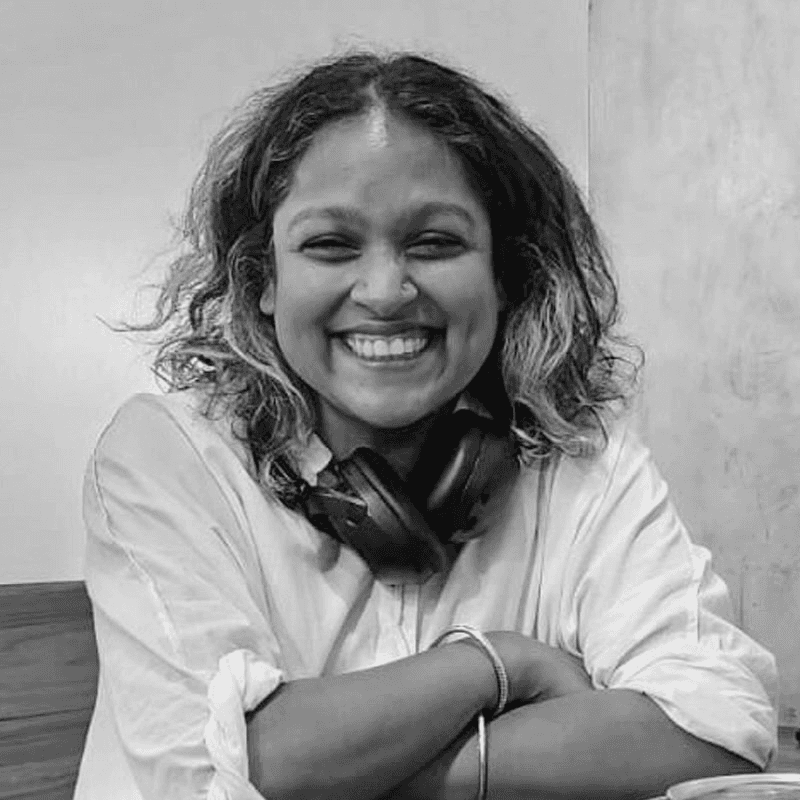
Shubhra Chatterji
Founder & Co-Curator Desi Cultures
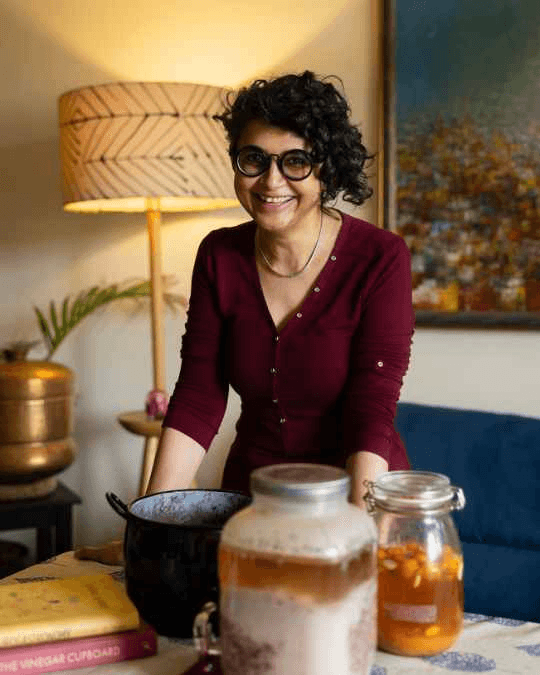
Payal Shah
Co-Curator Desi Cultures + Founder Kōbo Fermentary
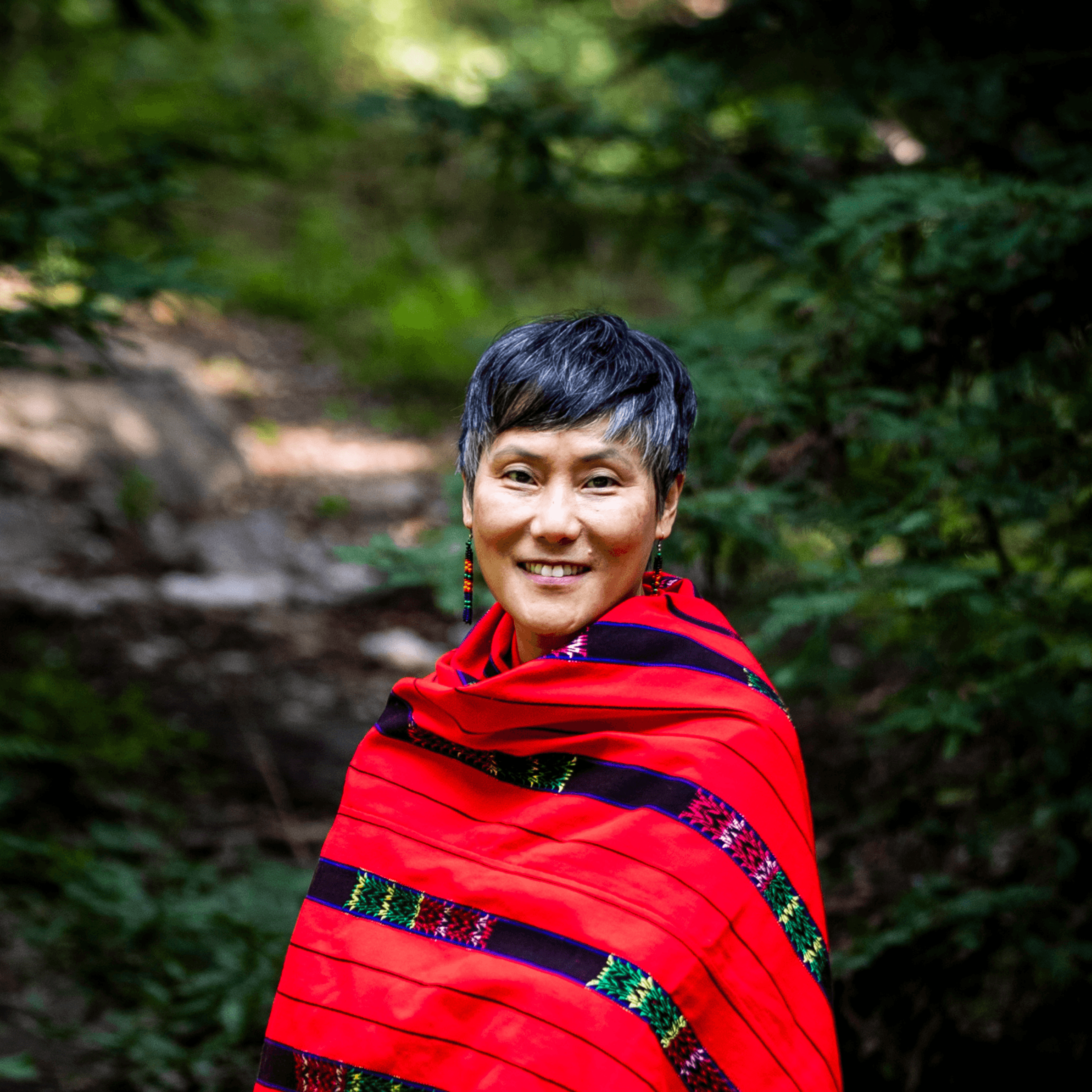
Dr. Dolly Kikon
Anthropologist

Adithya Kidambi
Chef & Co-founder, Mossant Fermentary
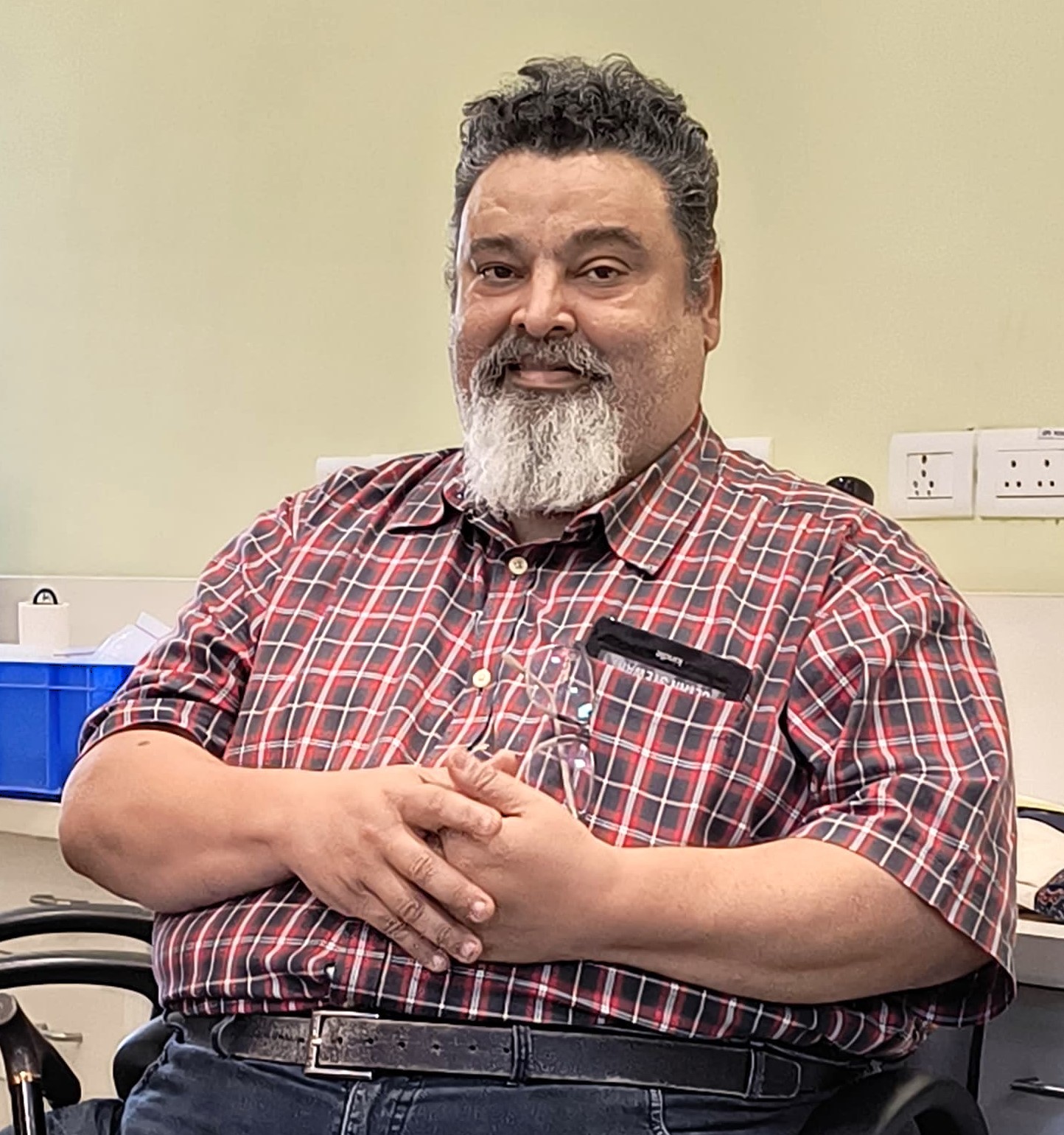
Dr. Kurush F Dalal
Culinary Anthropologist
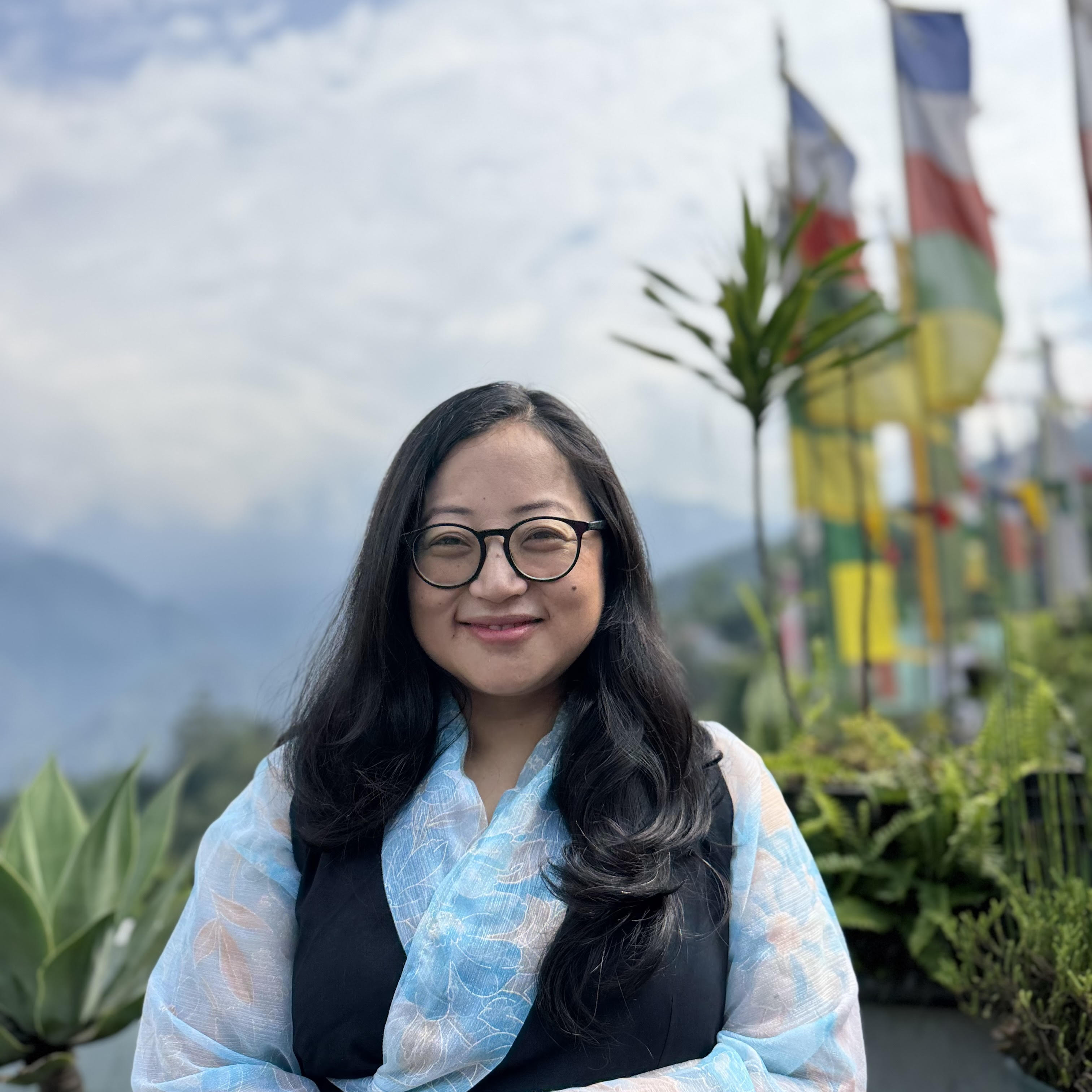
Dr. Hissay Doma Lepcha
Culinary Documenter
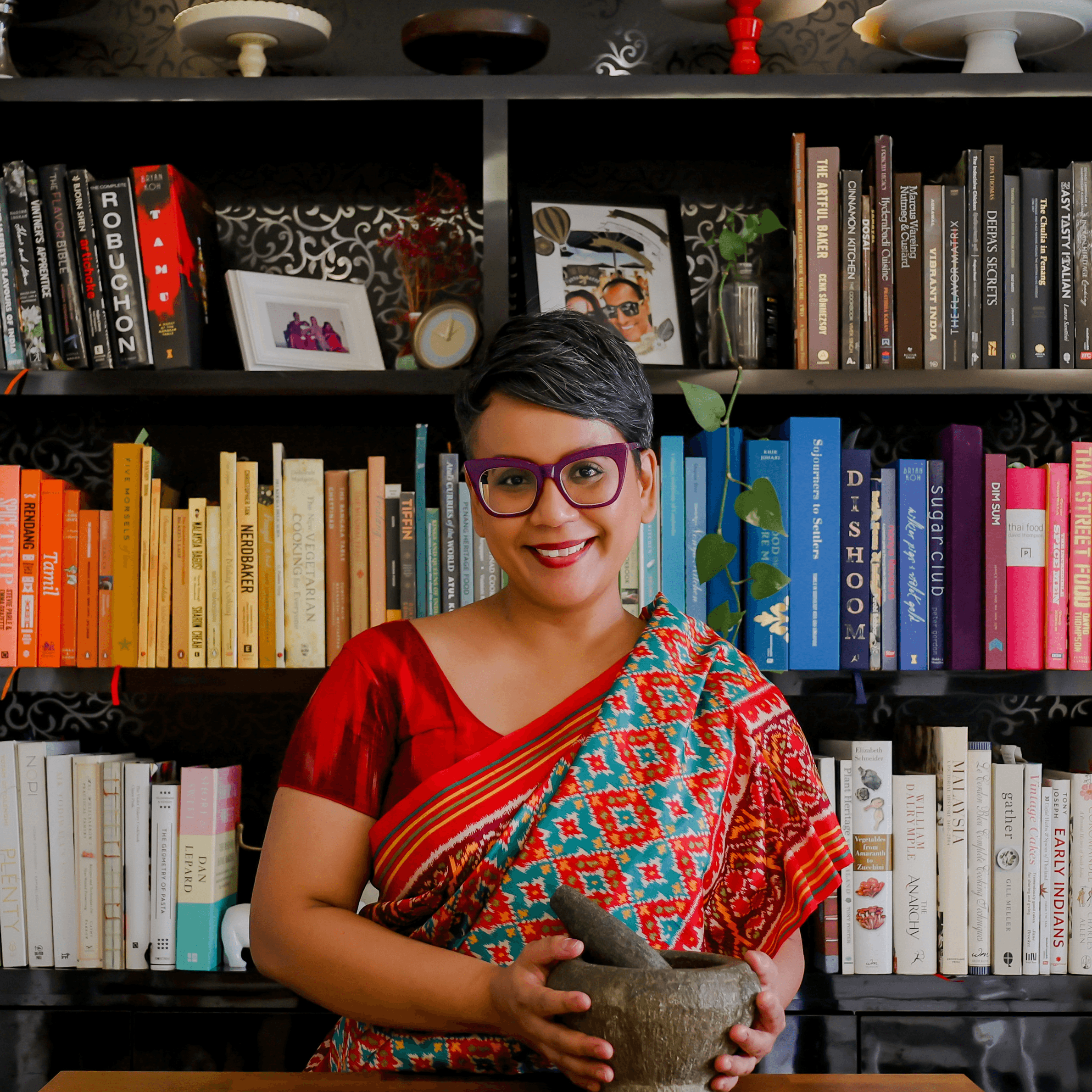
Vasunthara
food researcher, chef, writer
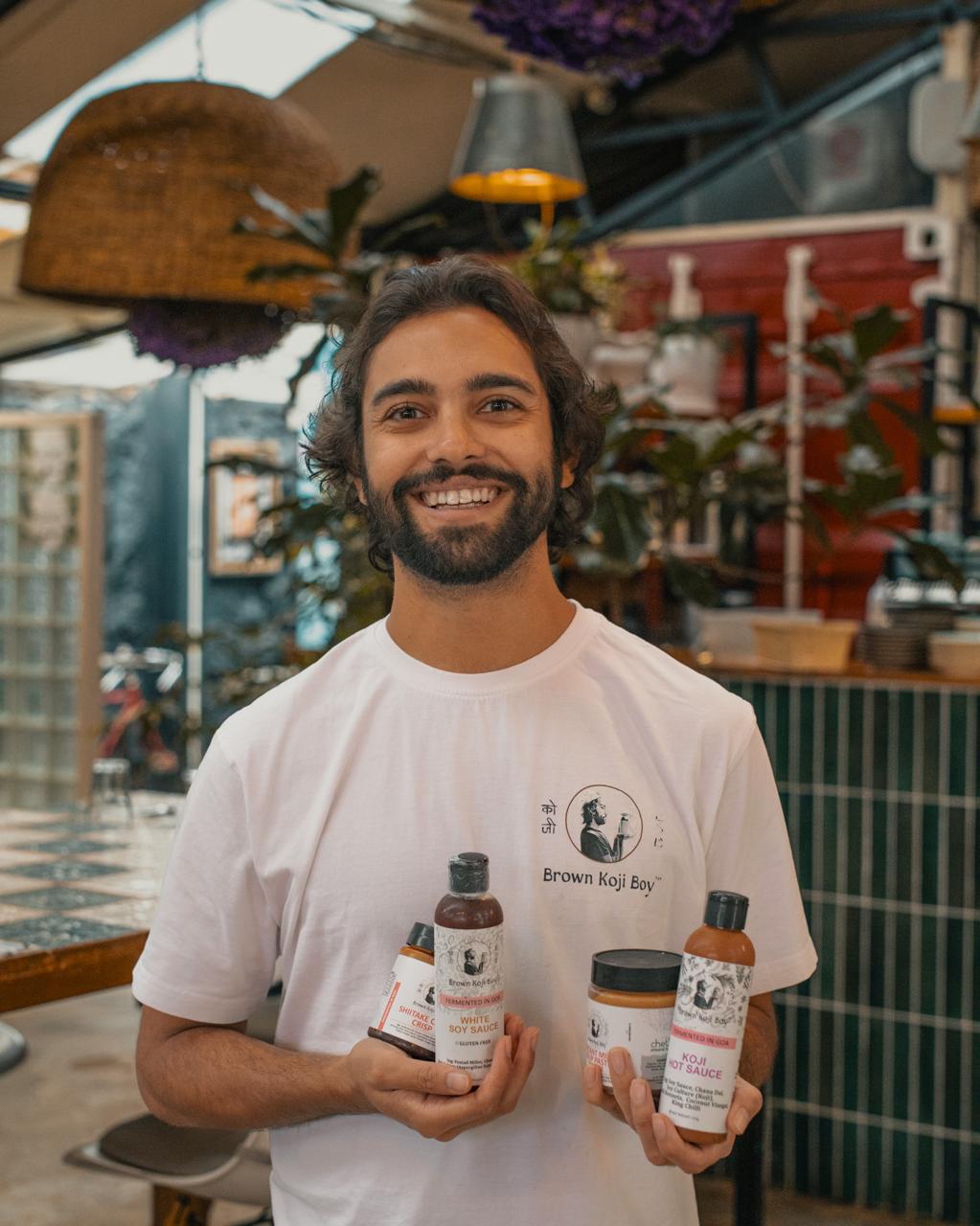
Prachet Sancheti
Founder, Brown Koji Boy

Gayatri Desai
Chef, Researcher, Founder, Ground Up
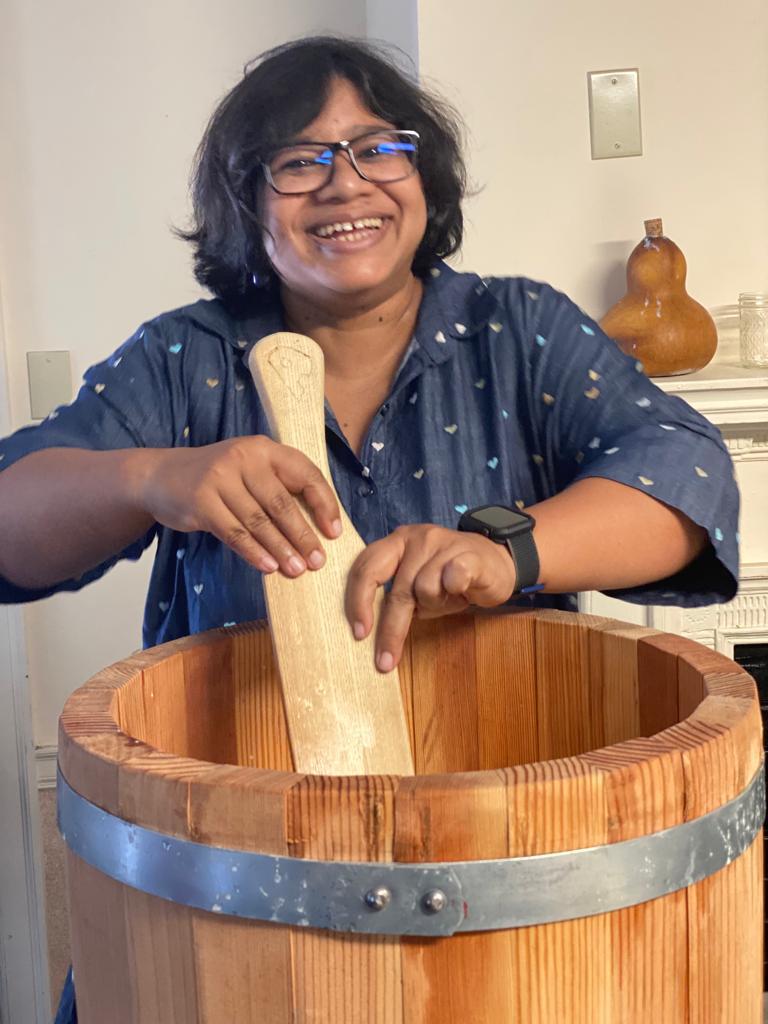
Namrata Sundaresan
Co-founder, Käse cheese
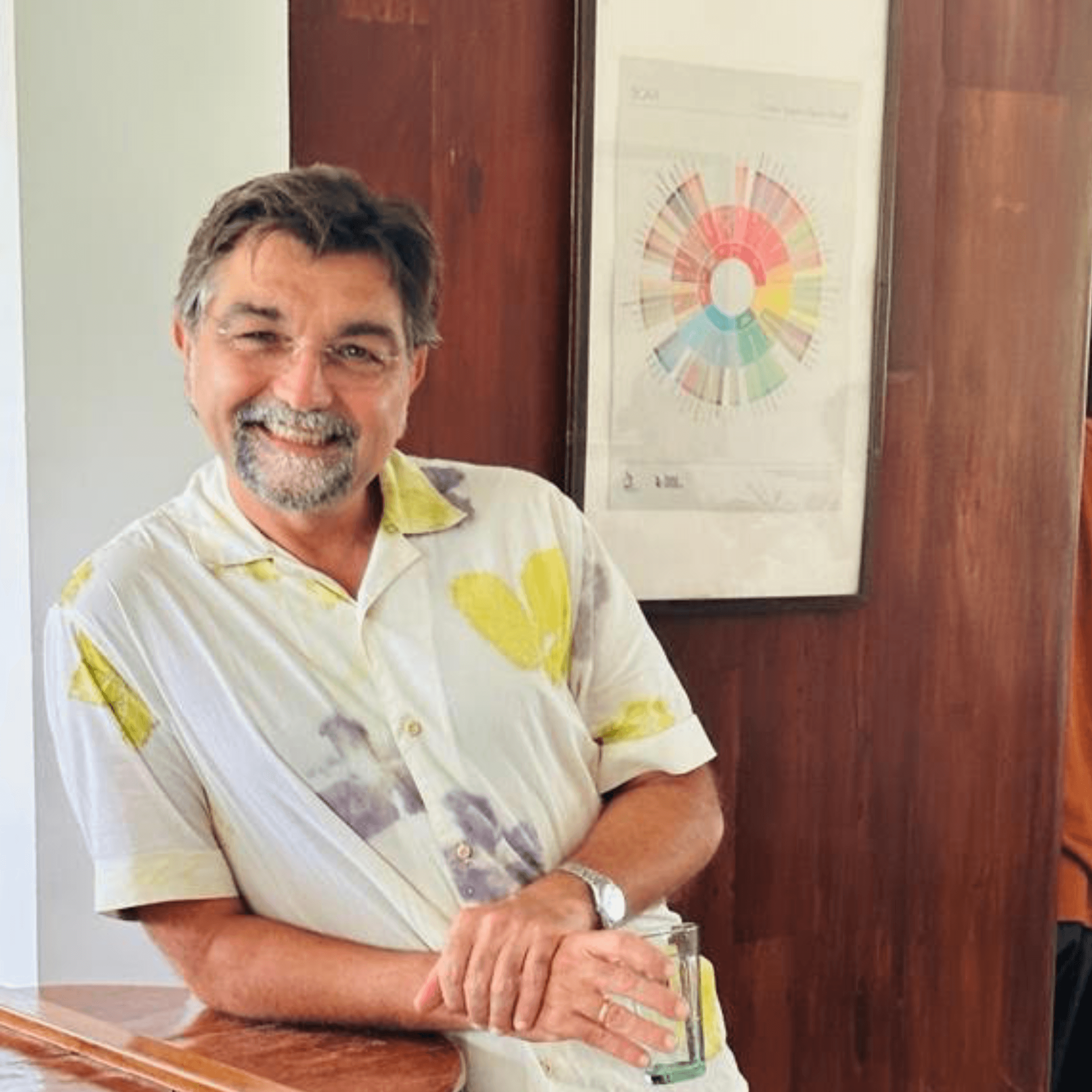
Marc Tormo Altimira
Co-founder, Coffee Ideas (formerly Marc's Coffees)

Kirsten Shockey
Fermentation Educator & author, The Fermentation School
Shivani Unakar
Producer - Desi Cultures + Food Researcher
Shivani Unakar
Producer - Desi Cultures + Food Researcher
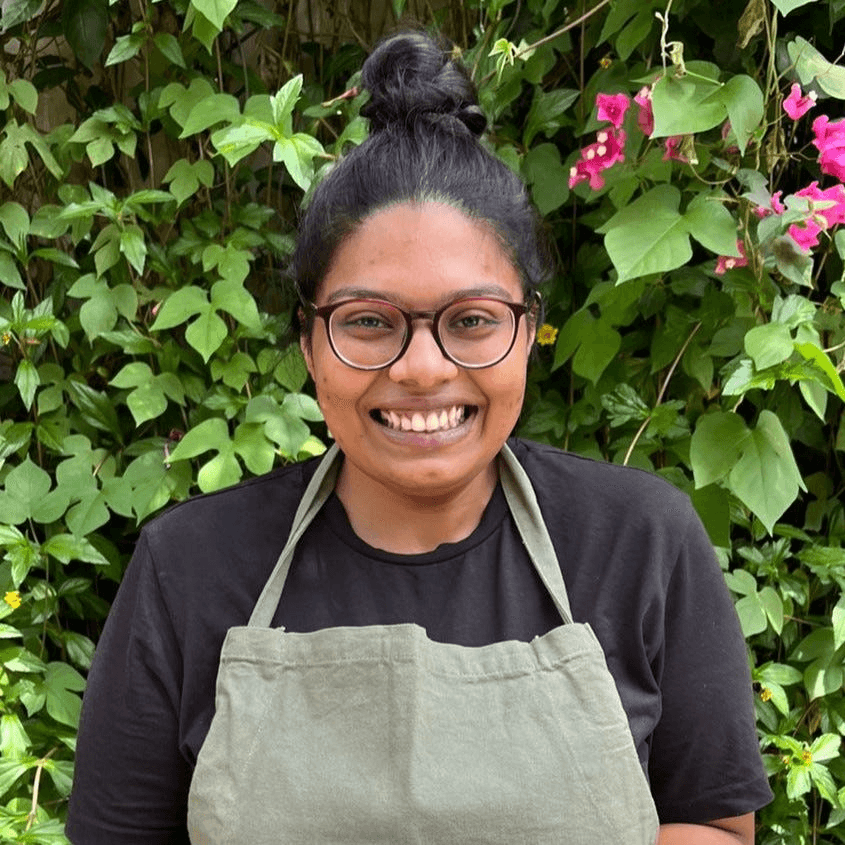
Elizabeth Yorke
Co-founder - Edible Issues; Founder - Saving Grains

.
.



Desi Cultures 2.0
Created by Shubhra Chatterji in August 2020, Desi Cultures is a gathering of fermentation-loving food folks, curious kitchens, and culture nerds.
Desi Cultures explores fermentation rooted in the Indian subcontinent — asking how microbes, memory, migration, climate, caste, taste, and everyday food practices shape what it means to ferment from a desi lens.
Supported by Edible Issues, Desi Cultures 2.0 is built by Shubhra Chatterj, Payal Shah, Shivani Unakar, and Elizabeth Yorke and brings together a growing fermentation community for a week of talks and exchanges.
Join online between 18–26 July, live or at your own pace.
Student passes available — email desicultures.in@gmail.com for details.
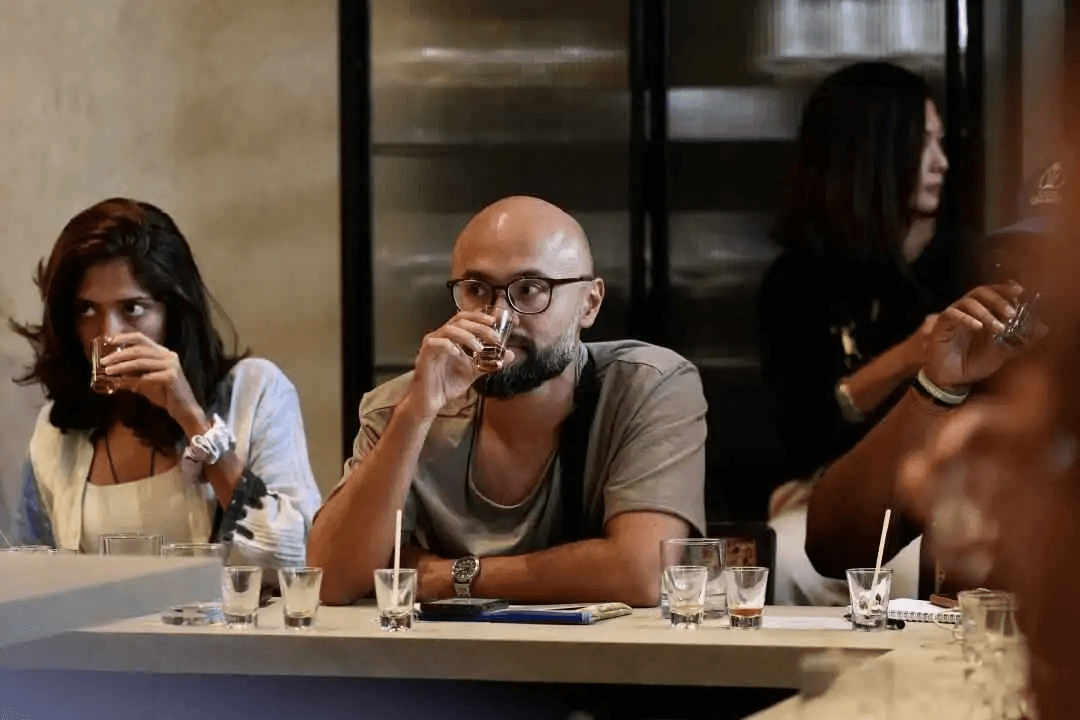
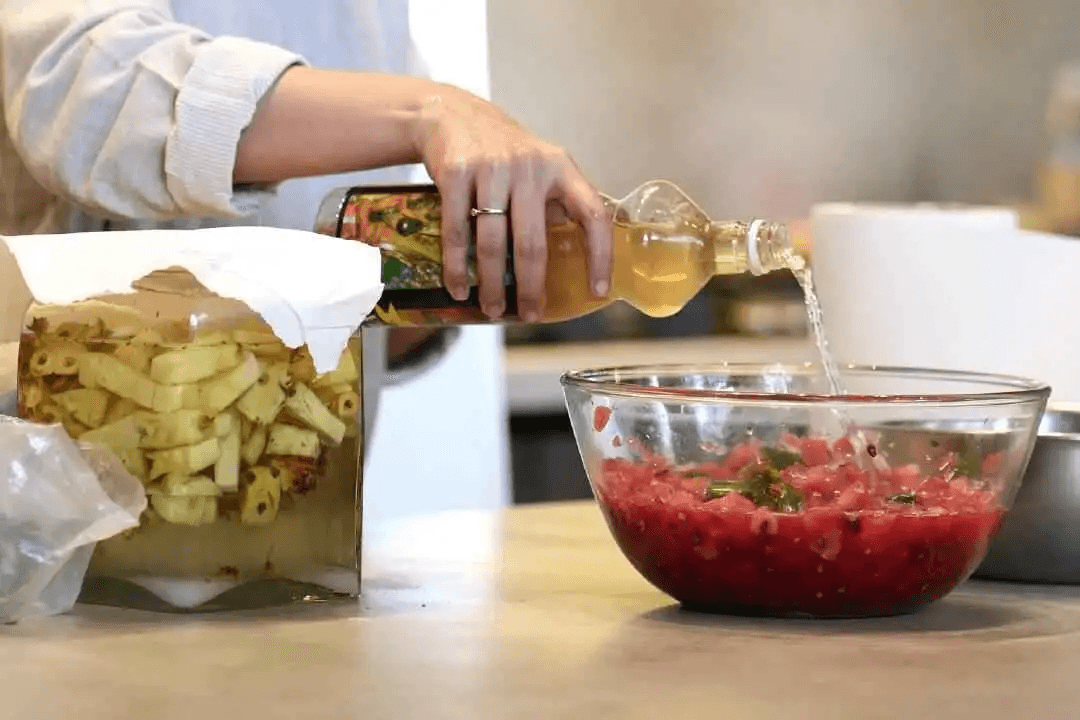
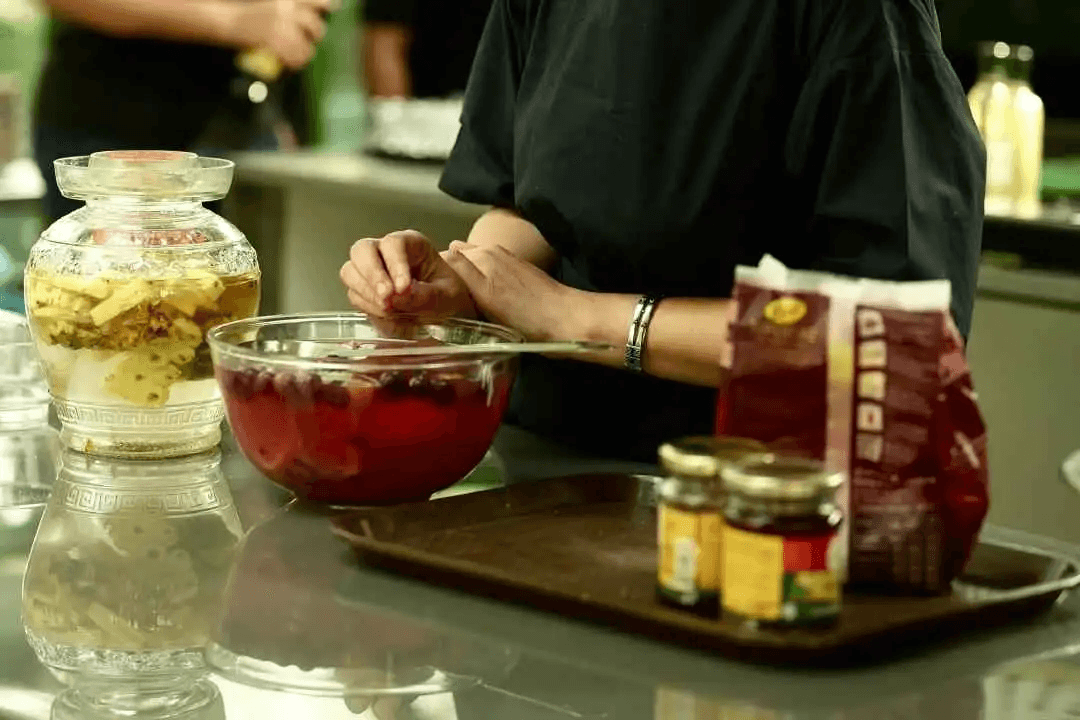
Created by Shubhra Chatterji in August 2020, Desi Cultures is a gathering of fermentation-loving food folks, curious kitchens, and culture nerds.
Desi Cultures explores fermentation rooted in the Indian subcontinent — asking how microbes, memory, migration, climate, caste, taste, and everyday food practices shape what it means to ferment from a desi lens.
Supported by Edible Issues, Desi Cultures 2.0 is built by Shubhra Chatterj, Payal Shah, Shivani Unakar, and Elizabeth Yorke and brings together a growing fermentation community for a week of talks and exchanges.
Join online between 18–26 July, live or at your own pace.
Student passes available — email desicultures.in@gmail.com for details.

Fermented By


FAQ
What is Desi Cultures?
Who is this for?
When does the programme take place?
Do I need to attend everything live?
How do I access the sessions?
Is there a student discount?
Are there any in-person events?
Will recordings be available afterwards?
What is Desi Cultures?
Who is this for?
When does the programme take place?
Do I need to attend everything live?
How do I access the sessions?
Is there a student discount?
Are there any in-person events?
Will recordings be available afterwards?
What is Desi Cultures?
Who is this for?
When does the programme take place?
Do I need to attend everything live?
How do I access the sessions?
Is there a student discount?
Are there any in-person events?
Will recordings be available afterwards?